
When a rental unit remains vacant longer than expected, the first reaction is often to blame marketing.
Maybe the listing needs better photos. Maybe the advertising budget is too low. Maybe the listing copy needs improvement.
While marketing certainly matters, it is rarely the root cause of recurring vacancy issues.
In multifamily property management, vacancy is usually an operational problem. Units sit empty because turns take too long, maintenance work is delayed, leasing teams respond too slowly, or nobody has clear visibility into the status of the unit.
At Kyra PM, we’ve found that leasing performance is often determined long before a prospective resident ever sees a listing.
The properties that lease fastest typically have three things in common:
- Consistent unit turn execution
- Fast lead response workflows
- Reliable visibility into unit readiness
The properties that struggle with vacancy usually have breakdowns in one or more of these areas.
The Hidden Cost of Operational Delays
A vacant unit is more than lost rent.
Every additional day of vacancy creates:
- Lost revenue
- Increased carrying costs
- Additional marketing expenses
- Greater leasing pressure on staff
- Reduced portfolio performance
For a multifamily operator, vacancy is often the result of small operational failures compounding over time.
A delayed vendor. An incomplete work order. A missed inspection. A leasing inquiry that sits unanswered for a day.
Individually, these issues seem minor.
Collectively, they can add weeks to a unit’s leasing timeline.
Unit Condition Is the First Leasing Metric
Property owners often focus on generating more leads when they should be focused on improving unit readiness.
A prospect may schedule a showing because of the marketing.
They decide to apply because of the condition of the unit.
Common turn-related issues include:
- Incomplete maintenance work
- Deferred repairs
- Poor cleaning quality
- Missing appliances or fixtures
- Cosmetic issues that create negative first impressions
These issues immediately reduce conversion rates, regardless of how effective the marketing campaign may be.
The challenge is that many operators lack a structured system for tracking readiness across their portfolio.
Kyra PM provides visibility into every stage of the turn process, helping teams identify:
- Units that are falling behind schedule
- Recurring vendor delays
- Failed inspections
- Turn bottlenecks that slow leasing velocity
The goal is simple: every vacant unit should be rent-ready before it reaches the market.
Response Time Directly Impacts Occupancy
Modern renters move quickly.
In competitive markets, prospects often inquire about multiple properties within minutes.
If a leasing team responds hours later—or the next day—the opportunity may already be gone.
Many property management companies assume their response times are acceptable because there is no system measuring them.
Without operational visibility, delays become invisible.
Kyra PM tracks leasing workflows and surfaces breakdowns before they impact occupancy.
This allows operators to identify:
- Slow response patterns
- Missed lead follow-ups
- Communication bottlenecks
- Underperforming leasing workflows
Reducing vacancy is often less about generating more leads and more about converting the leads already coming in.
Unit Readiness Should Be Measured, Not Assumed
One of the most common leasing mistakes is marketing a unit before it is truly ready.
This creates several problems:
- Prospects schedule tours for unfinished units
- Expectations are misaligned
- Leasing teams waste time managing delays
- Conversion rates decline
Many operators rely on estimated completion dates rather than actual readiness data.
Kyra PM approaches the problem differently.
Every unit turn becomes a measurable workflow.
Tasks are tracked from move-out through final inspection, including:
- Maintenance completion
- Vendor coordination
- Cleaning verification
- Turn inspections
- Leasing readiness approval
This creates a clear operational record and eliminates guesswork around availability.
Why Marketing Alone Cannot Solve Vacancy
Strong marketing remains important.
High-quality photography, compelling listings, and effective syndication all contribute to leasing success.
However, marketing amplifies operational performance—it does not replace it.
No amount of advertising can overcome:
- Unfinished turns
- Slow lead response times
- Deferred maintenance
- Poor unit condition
- Disorganized leasing workflows
The highest-performing multifamily operators understand that occupancy is ultimately an operations metric.
When systems improve, leasing performance improves.
The Kyra PM Perspective: Vacancy Is a Visibility Problem
Most vacancy challenges can be traced back to a lack of operational visibility.
Property managers often cannot easily answer questions like:
- Which units are truly rent-ready?
- Which turns are delayed?
- Which vendors are creating bottlenecks?
- How quickly are leads receiving responses?
- Where are leasing workflows breaking down?
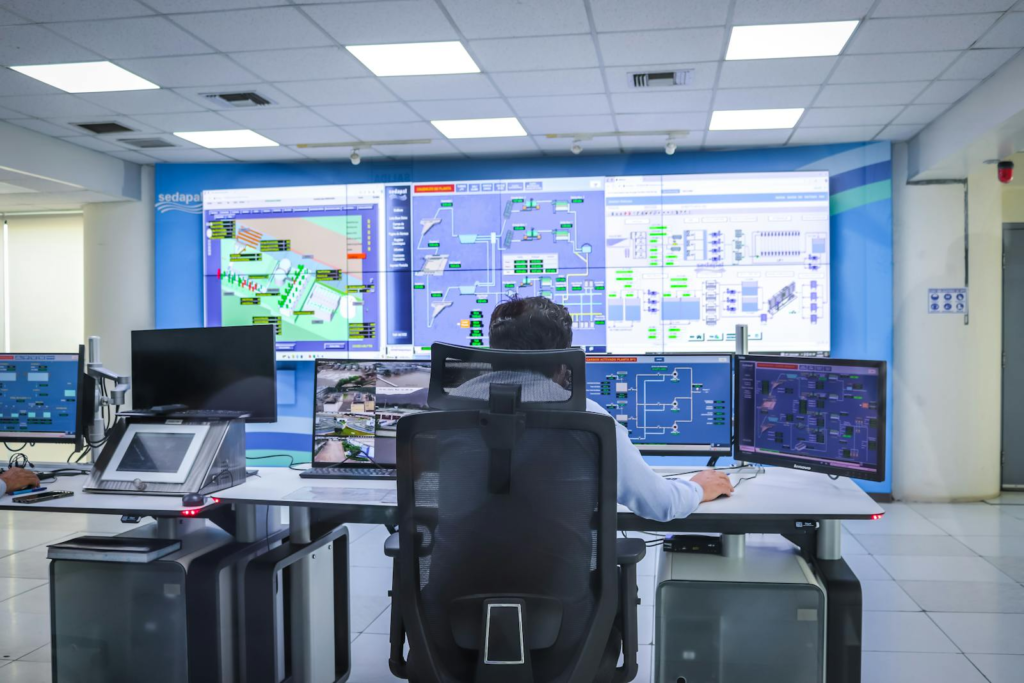
Kyra PM acts as a property operations intelligence layer, bringing maintenance, leasing, vendor coordination, and readiness tracking into a single system.
Instead of reacting to vacancy after it occurs, operators can identify risks before they impact occupancy.
Rethinking Vacancy Management
The next time a unit sits vacant longer than expected, start by examining the operational system behind it.
Ask:
- Was the unit actually ready when it was marketed?
- Were all turn tasks completed on schedule?
- Were leasing inquiries answered quickly?
- Did maintenance delays impact showings?
- Is there a clear system of accountability for unit readiness?
The answers often reveal that vacancy is not a marketing issue at all.
It is a property operations issue.
The most effective way to reduce vacancy is not simply generating more leads—it is building systems that move units from move-out to move-in faster, more consistently, and with complete operational visibility.
That is the role of Kyra PM.