
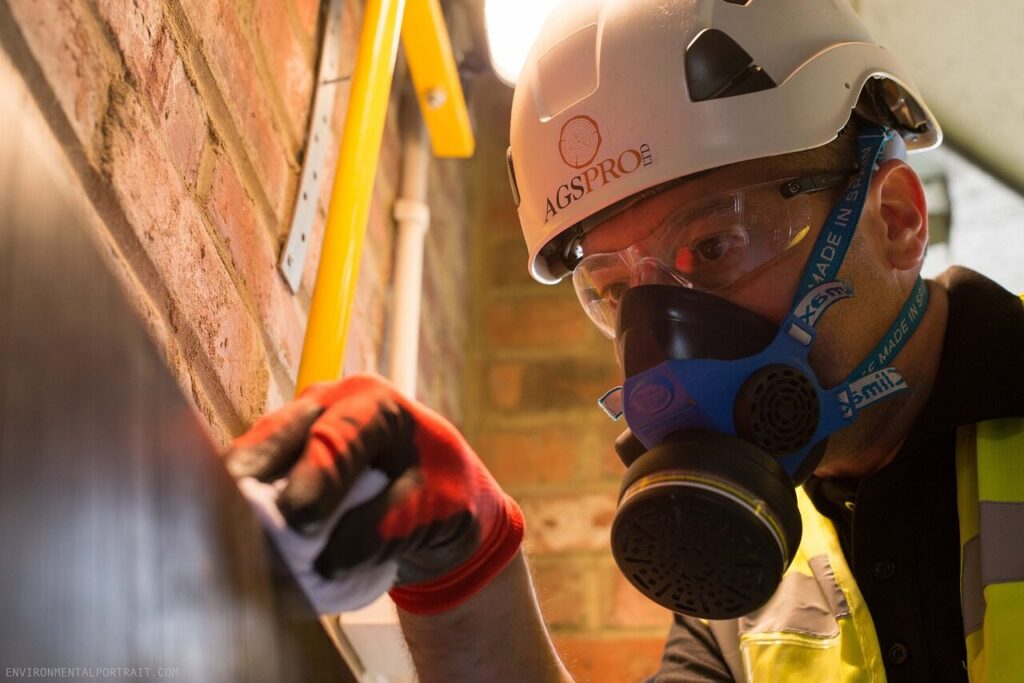
Why Compliance Failures Keep Happening in Chicago Multifamily Buildings
Chicago property management operates under some of the most detailed and strictly enforced housing and building codes in the country. For multifamily owners, compliance is not a periodic task—it is a continuous operational requirement.
Most inspection failures do not come from major structural issues. They come from repeatable, preventable operational breakdowns:
- Safety equipment that is missing, expired, or not documented
- Deferred exterior maintenance that goes untracked between inspections
- Emergency systems that fail due to lack of routine verification
- Compliance tasks that exist in emails, spreadsheets, or memory instead of a system
In most portfolios, these issues are not unknown—they are untracked.
Kyra PM is designed to close that gap by turning compliance into a structured, always-on property operations system.
1. Smoke and Carbon Monoxide Detector Compliance Gaps
The Operational Reality
Smoke and carbon monoxide detectors are one of the most frequent sources of failed inspections in Chicago multifamily buildings.
Failures typically occur not because owners ignore requirements, but because there is no reliable system tracking:
- Unit-level detector presence and placement
- Battery status or device functionality
- Tenant removal or tampering during occupancy changes
- Post-renovation reinstallation verification
Why This Becomes a System Failure
In most portfolios, detector compliance is:
- Reactively checked during inspections
- Manually verified during turnovers
- Not tracked continuously across units
This creates a visibility gap at the portfolio level.
Kyra PM Operational Approach
Kyra structures detector compliance as a tracked maintenance workflow:
- Unit-level compliance records tied to each property
- Scheduled verification cycles during turnover and inspections
- Maintenance tasks automatically generated when gaps are detected
- Audit-ready logs showing compliance history per unit
This eliminates reliance on ad hoc verification during inspection windows.
2. Deferred Exterior Facade Maintenance and Inspection Drift
The Operational Reality
Chicago’s weather accelerates façade wear across brick and masonry buildings. Small issues—cracks, mortar loss, water intrusion—often go unlogged until they become inspection findings.
The real issue is not awareness. It is drift:
- Minor issues are observed but not formally tracked
- Repairs are deferred without system-level follow-up
- Inspection cycles pass without structured documentation
Why This Becomes a Compliance Risk
Facade compliance typically fails due to:
- Lack of recurring inspection workflows
- No centralized record of prior repairs
- Missing linkage between observation and work completion
Over time, this creates compounding structural and compliance exposure.
Kyra PM Operational Approach
Kyra converts façade maintenance into a managed lifecycle:
- Scheduled inspection workflows tied to building type and age
- Structured logging of identified issues with timestamps and photos
- Work order generation linked directly to compliance findings
- Historical record of repairs for inspection readiness
This creates continuity between inspection cycles rather than isolated events.
3. Emergency Egress, Exit Path, and Lighting Failures
The Operational Reality
Emergency egress issues are among the most avoidable yet frequently cited inspection violations in multifamily buildings.
Common failure points include:
- Blocked or partially obstructed exit paths
- Non-functional emergency lighting systems
- Missing or damaged signage
- Layout changes not reflected in compliance checks
Why These Issues Persist
These failures are rarely structural. They occur because:
- Exit pathways are not part of routine operational checklists
- Lighting systems are not actively monitored
- Responsibility is unclear across teams and vendors
- Compliance is treated as inspection-day preparation rather than ongoing verification
Kyra PM Operational Approach
Kyra enforces egress compliance as a recurring operational system:
- Routine compliance checklists embedded into maintenance workflows
- Task assignments for lighting and signage verification
- Photo-based documentation of exit pathways
- Issue escalation when compliance items remain unresolved
This shifts egress compliance from reactive inspection prep to continuous verification.
Compliance as an Operational System, Not a One-Time Event
Most Chicago landlords do not fail inspections due to lack of knowledge. They fail due to lack of systemized execution.
The common thread across violations is the same:
- No centralized visibility
- No consistent audit trail
- No structured maintenance tracking system
- No unified workflow connecting identification to resolution
Kyra PM addresses these gaps by operating as a property operations intelligence layer for compliance, maintenance, and inspection readiness.
How Kyra PM Reduces Inspection Risk
Kyra connects compliance to daily operations through structured workflows:
- Maintenance automation tied to compliance requirements
- Real-time visibility into open risk items across properties
- Audit-ready documentation for inspections and regulatory reviews
- Unified system of record for maintenance, compliance, and vendor activity
Instead of preparing for inspections, portfolios operate in a continuously inspection-ready state.
Final Thoughts
Chicago code compliance is not a documentation problem—it is an operational systems problem.
When compliance tasks are fragmented across teams, emails, and memory, inspection risk becomes inevitable. When compliance is structured into workflows with accountability and tracking, that risk becomes manageable and predictable.
Kyra PM turns compliance from a reactive burden into a structured operational function across your multifamily portfolio.
The result is not just fewer violations, but a more stable and defensible property operations system overall.