Chicago Landlords Lose Thousands Each Year Due to Operational Gaps — and How Kyra Prevents It
The Real Cost of Operational Inefficiency in Chicago Multifamily Housing
Chicago is one of the most active and complex multifamily real estate markets in the country. Strong rental demand and dense housing stock create opportunity—but they also amplify operational risk.
For many landlords, losses do not come from major vacancies or market downturns. They come from small, repeated breakdowns in day-to-day operations:
- Maintenance tasks that are marked complete but never verified
- Rent payments that are late, mis-tracked, or inconsistently followed up
- Compliance steps that are partially documented or scattered across systems
- Communication breakdowns between leasing, maintenance, and accounting
Individually, these issues seem minor. At portfolio scale, they compound into thousands of dollars in preventable loss each year.
Kyra is built to address exactly this category of failure: operational blind spots inside multifamily property management systems.
Where Chicago Landlords Actually Lose Money
Most revenue loss in property management is not dramatic. It is structural. It comes from missing systems, not isolated mistakes.
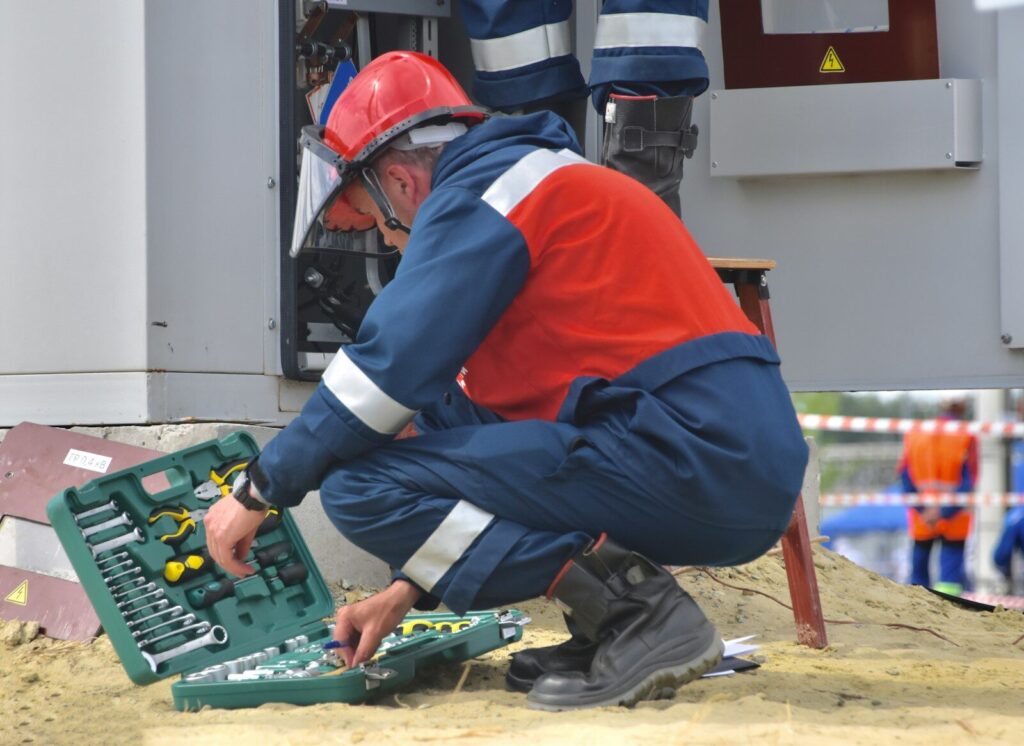
1. Maintenance Execution Without Verification
Maintenance issues rarely fail because they are not identified. They fail because execution is not consistently tracked or verified.
Common breakdowns include:
- Work orders closed without supporting documentation
- No before/after validation of repairs
- No standardized logging of parts, labor, or completion quality
- Informal vendor communication outside the system of record
Operational impact:
Small issues become recurring repairs, tenant dissatisfaction increases, and capital expenses rise due to repeat failures that should have been resolved correctly the first time.
2. Fragmented Rent Collection Workflows
Rent collection is often treated as a monthly task rather than a structured system.
Failure points include:
- Manual follow-ups instead of automated escalation paths
- Inconsistent late fee enforcement
- Lack of real-time visibility into arrears across units
- Disconnected communication between accounting and leasing teams
Operational impact:
Cash flow becomes unpredictable, delinquencies persist longer than necessary, and administrative overhead increases as teams manually chase payments.
3. Compliance and Documentation Fragmentation
Chicago’s regulatory environment requires consistent documentation across leases, inspections, and tenant communications.
Typical gaps include:
- Missing or incomplete inspection records
- Lease addenda stored across multiple systems
- Security deposit documentation inconsistently tracked
- No centralized compliance status view across properties
Operational impact:
Increased legal exposure, delayed responses during disputes, and higher administrative burden during audits or inspections.
4. Disconnected Team Communication
Most portfolios do not fail from lack of effort. They fail from lack of system alignment.
Common issues include:
- Maintenance, leasing, and accounting operating in separate tools
- No consistent task ownership model
- Vendor communication happening outside centralized workflows
- Lack of accountability tracking for unresolved items
Operational impact:
Delayed execution, duplicated work, and unclear responsibility when issues escalate.
How Kyra Fixes Property Operations at the System Level
Kyra is not a property management add-on. It functions as a property operations intelligence layer—a system of record for maintenance, leasing, rent collection, and compliance workflows.
Instead of relying on manual coordination, Kyra enforces structured execution across the entire operation.
1. AI-Driven Task Automation and Enforcement
Kyra automates operational follow-through across the portfolio.
This includes:
- Maintenance work order creation and escalation
- Lease renewal and expiration tracking
- Rent delinquency monitoring and automated follow-ups
- Preventative maintenance scheduling
The key shift is enforcement: tasks are not just created, they are tracked until verified completion.
2. Full Operational Visibility Across the Portfolio
Kyra centralizes operational data into a unified system view.
Landlords and operators gain real-time visibility into:
- Maintenance backlog and resolution timelines
- Rent collection status by unit and property
- Vendor performance and responsiveness
- Open compliance items and risk exposure
This eliminates the need to reconcile multiple disconnected systems.
3. Structured Compliance and Documentation Layer
Kyra organizes compliance into an active workflow rather than passive storage.
Capabilities include:
- Centralized lease and document management
- Automated reminders for inspections and filings
- Audit-ready recordkeeping for every unit and property
- Time-stamped documentation trails for key operational events
This reduces reliance on manual tracking and fragmented documentation systems.
4. Unified Communication and Task Ownership
Kyra aligns teams around a shared operational workflow.
It replaces fragmented communication with:
- Task-based coordination across departments
- Clear ownership of maintenance, leasing, and accounting actions
- Centralized updates tied to specific work orders and properties
- Reduced dependency on email and informal messaging chains
The result is fewer missed handoffs and clearer accountability across roles.
Real Operational Outcomes for Chicago Landlords
Landlords using structured property operations systems like Kyra typically see measurable improvements in:
- Reduced maintenance repeat work
- Faster rent collection cycles
- Fewer compliance gaps during inspections
- Lower administrative overhead across teams
- Improved visibility into portfolio performance
In many portfolios, these improvements translate into meaningful reductions in preventable revenue loss within the first operating cycle.
Chicago-Specific Operational Context
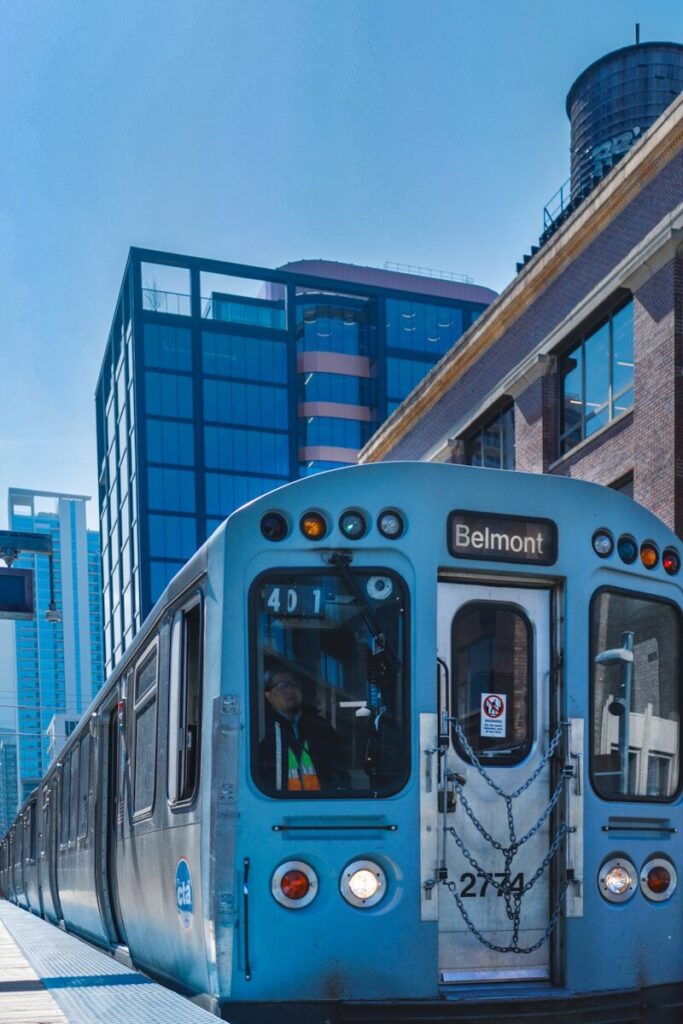
Chicago’s housing stock introduces additional operational complexity due to:
- Older brick multifamily buildings requiring frequent maintenance cycles
- Higher density tenant turnover in certain submarkets
- Strong regulatory enforcement around housing compliance
- High sensitivity to maintenance response time and documentation
These conditions make operational discipline—not just asset quality—a key driver of portfolio performance.
Final Thoughts
Most losses in Chicago multifamily portfolios are not caused by market conditions. They are caused by operational fragmentation.
When maintenance is unverified, rent collection is inconsistent, compliance is scattered, and communication is disconnected, revenue leakage becomes structural.
Kyra is designed to remove that structural leakage by turning property management into a controlled, observable, and enforceable system.
The difference is simple:
Reactive property management responds to problems.
Operational systems prevent them.
Kyra exists in the second category.